
Having the Conversation
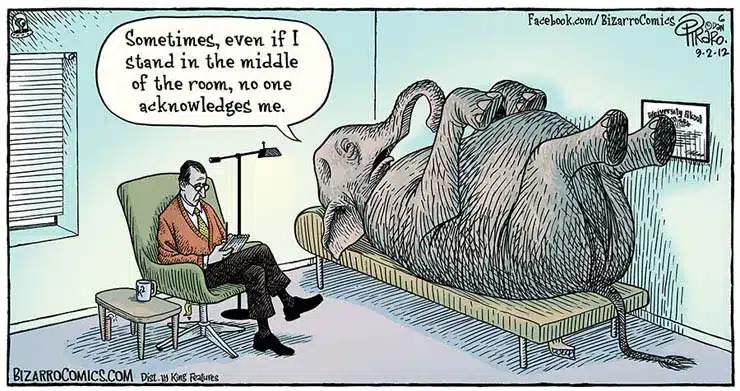
Death is often an uncomfortable subject—something many people prefer to avoid. There’s a common belief that if we don’t talk about it, maybe it won’t happen, especially not to us. But the truth is: death is a universal part of life, and ignoring it doesn’t make it go away.

One of the most productive ways to help patients as they approach the end of life is to encourage them to have a conversation with their loved ones and healthcare providers about their preferences for treatment and end-of-life wishes.
The Power of Preparation
The most meaningful conversations about death happen before a crisis occurs. When a plan is in place early, families are better prepared to make difficult decisions during emotional times. These conversations give everyone clarity and peace of mind.
Bringing Families Closer
Although it may feel awkward at first, talking about death can actually deepen family bonds. Sharing your beliefs, values, and end-of-life wishes with loved ones can lead to more open, honest relationships. It takes courage—but the result is often a stronger, more supportive family connection.
Talking to Your Healthcare Providers Too
This conversation isn’t just for your family—it’s also essential to speak with your healthcare providers, especially your primary care doctor. Your healthcare providers can guide you in documenting your wishes and making sure your care aligns with your values.