
Talking to Your Family & Loved Ones
Planning for the end of life is one of the most personal and meaningful journeys we undertake. It involves reflecting on your values, preferences, and priorities—and making decisions that will affect not only you but those you care about most.
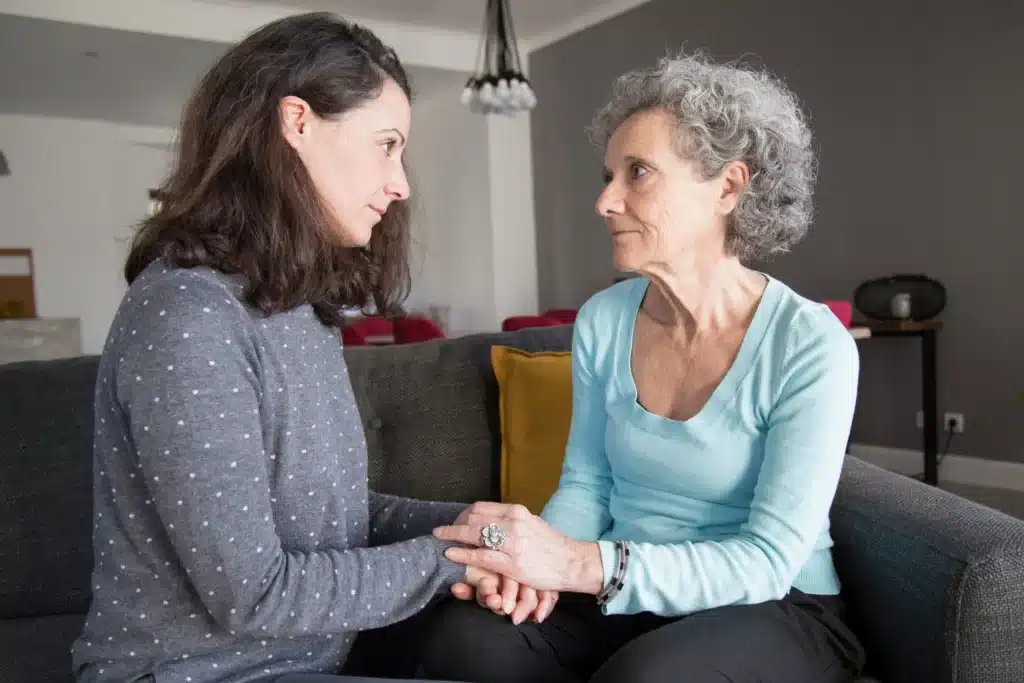
Having open, honest conversations with your loved ones can bring clarity and peace of mind. These discussions ensure your wishes are understood and respected, and they can also strengthen bonds between family members through shared understanding and support.
This isn’t a one-time task. It’s a journey that requires thought, compassion, and often, guidance.
We’re here to help you take those steps—at your own pace, and with support every step of the way.
Beginning the Conversation - Why It Matters
Starting a conversation about end-of-life planning can feel overwhelming. It touches on emotions and unknowns that many people would rather avoid. But acknowledging its importance is a powerful first step.
Having these discussions early—before a crisis occurs—gives everyone involved time to think, understand, and honor your wishes.
How to Start Talking
As you begin thinking about your end-of-life preferences, ask yourself what truly matters most. Then, consider sharing your thoughts about questions like:
- What brings meaning and purpose to your life now—and how do you want that to shape your final days?
- What kind of medical care or quality of life do you value in the later stages of life?
- Who do you trust to speak on your behalf if you’re ever unable to communicate your wishes?
- When feels like the right time to start this conversation—with family, friends, or a healthcare provider?
These questions can open the door to honest, compassionate conversations that make everyone feel heard and included.
Breaking the Ice
Here are some ways to break the ice to get the conversation going:
- “I need your help with something.”
- “Remember how (someone) in the family died– do you think it was a “good” death or a “hard” death? Would you like yours to be different?”
- “I was thinking about what happened to (blank), and it made me realize….”
- “Even though I’m okay right now, I’m worried that (blank) might happen, and I want to be prepared.”
- “I need to think about the future. Will you help me?”
- “I was just answering some questions about how I want the end of my life to be. I want you to see my answers. And I’m wondering what your answers would be.”
Keeping the Dialogue Going
End-of-life planning is not a one-time conversation—it evolves over time. Each discussion can lead to more clarity and confidence for you and your loved ones.
If a conversation stalls, don’t be discouraged. Try new entry points. For example, instead of diving straight into medical or legal details, you might ask:
“Would you rather be buried or cremated?”
That simple question can gently lead into deeper topics like where and how you wish to spend your final days. Even if the reaction is hesitant or negative, that feedback is valuable—it shows where comfort levels are and what still needs to be addressed.
Most importantly, remember: you don’t have to figure it all out at once. Each conversation is a building block, bringing you closer to peace of mind.
You are preparing to live—and die—in a way that reflects your deepest values.

You Don’t Have to Do It Alone
If you’re unsure how to start the conversation, consider writing a letter to express your thoughts. Or practice with a trusted friend who can help you find the right words and tone.
Our trained volunteers are also here to help. They understand the challenges and emotions that come with this journey and can provide the gentle guidance you need to take the first step.