by Kelley Howe Nolan
Talking about death has never been difficult for me.
My first encounter with it came at age fourteen at Los Angeles International Airport. My cousin and I were returning from a YMCA trip to Hawaii and had just been reunited with our families when one of my younger brothers casually asked whether we knew that our great uncle had died. I was shocked and deeply upset because he, my great uncle, was very special to me, and to have one of my younger brothers speak as though we had already been told was unsettling. No one had told us during the trip. I remember how angry and hurt I had been learning of his death in this manner, and at the airport no less. It was a long lasting and very memorable experience but also one that made death easier to think about.
During my childhood years, I saw several of our family pets die, escape or simply “disappear,” so it was understood that they would not live forever. I was taught at an early age all living creatures would die at some point.
Recently I came across an old file folder that held a poem I had once written about death. I was barely out of my teens when it was written. It was a reflection on my curiosity about why people were so afraid to discuss death.
As I grow older, I am reminded once again of just how uncomfortable people are discussing death. There seems to be a distinct divide amongst people when talking about dying in the abstract and a situation that confronts death itself. That brings me back to the subject today, this time on a deeply personal level.
Over the past several years, I have lost many close friends. Some deaths were prolonged and painful to see, especially when treatments, traditional and non-traditional methods were used. Eventually it became clear that the odds for a complete recovery were slim. This was true of one close friend. We both knew his health was failing, yet he usually managed to smile, drink his soda, and smoke—even when he struggled to breathe. He wanted little medical help, and the occasional glimmers of hope gradually faded. His end-of-life wishes were never written down and his wife wanted everything done to the very end. I understood but it was horrible to watch as the two of them both deteriorated during that time.
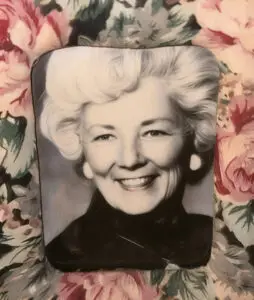
My mom on the other hand took a completely different direction. She had been diagnosed with pancreatic cancer when she was 48 years old and I was in my early twenties. She had a plan for her disease and the treatments she would consider. She laid out her planner for those events coming up in the near future that she wanted to live for and highlighted one which she didn’t want to be alive for. She did not want to do their taxes. She didn’t enter any dates after April 1 as she didn’t plan to be around anymore. She had me witness, in writing, her wishes to be an organ donor upon her death and she noted what organizations she hoped people would benefit by her death. I was somewhat leery of her planning, and it was weird to take part in it, but it wasn’t scary.
It was very real though. And, in the end it did play out the way she planned, give or take a trial run with wanting to die at home and then changing her mind and staying in the hospital. There was no hospice or palliative care in those days, and I believe she realized this once she came home and saw how much care it would take from my dad to make sure her needs were met. She was home for less than 48 hours and then she returned to the hospital, where she died.
“…the wish was for the person to die in the comfort and surroundings of their choice.”
Years later I would volunteer for a hospice program, I sit with patients, knowing they were dying. I wasn’t afraid. It was my way to help the caregiver, family member or whomever, that might need a break. During this period, the discussions never took place about death. That was something that had already been decided and the wish was for the person to die in the comfort and surroundings of their choice. It was a quiet and personal time for me, and I was thankful that I could help in my small way.
“Her life, her death, her choice.”
Three years ago, my closest friend, aside from my husband, was undergoing just a basic mammogram when she was told they had seen some spots and wanted her to have further testing done. Turned out she had a form of melanoma in her lymph nodes. She went through almost two years of every type of chemo, infusions, surgery, acupuncture, chiropractic, massage, oxygenated therapy, you name it, she tried it. But she also knew how to make her end-of-life choices known when it came to that time. She had paid for her burial plot and knew where she wanted her ashes. These were conversations she and I had had over the years and while there were times, when necessary, details of the plans changed, she was always open and comfortable discussing her wishes. While the cancer continued to spread from body part to body part and she became weaker, she continued to implement the necessary tasks that her choices dictated about her death. Her day of death. Her life, her death, her choice. I was with her on the day she died. All five of her children, her grandchildren, friends and other family members were able to say their goodbyes during the early morning and afternoon and hospice was available. It was quiet and peaceful in a loving way, and I was honored to be there.
Why I Volunteer
Going through this process with her and the discussions surrounding her health also led me to think about end-of-life choices. After months of research on the topic, I found End of Life Choices California. It met my philosophy on life and death decisions and that is why I am now a volunteer for End of Life Choices California.
About the author: Kelley Howe Nolan is the author of several books of poetry and has extensive experience with caregiving for those with dementia and Parkinson’s Disease. When not writing she enjoys spending time outdoors with family along the northern California coast, where the redwoods meet the sea.