By Fran Moreland Johns
“Can you help me?”
The voice answering that anxious, often sorrowful and sometimes desperate question can be the first voice of reassurance in challenging times. The response usually comes within a few hours of the question; and while it sometimes brings quick solutions, it always brings compassion and concern and a path forward.
The voice at the other end of the line is an EOLCCA phone volunteer. These carefully trained and empathetic men and women monitor our phone line Monday-Friday from 9-5 and try to check the phone line off hours for urgent calls. The queries cover a wide range of topics, including details about end-of-life options and recommendations for doctors and hospices that support medical aid in dying.
You Can Hear the Relief
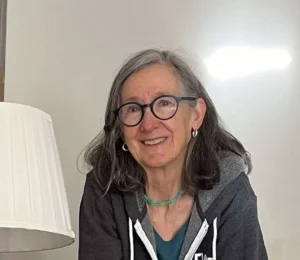
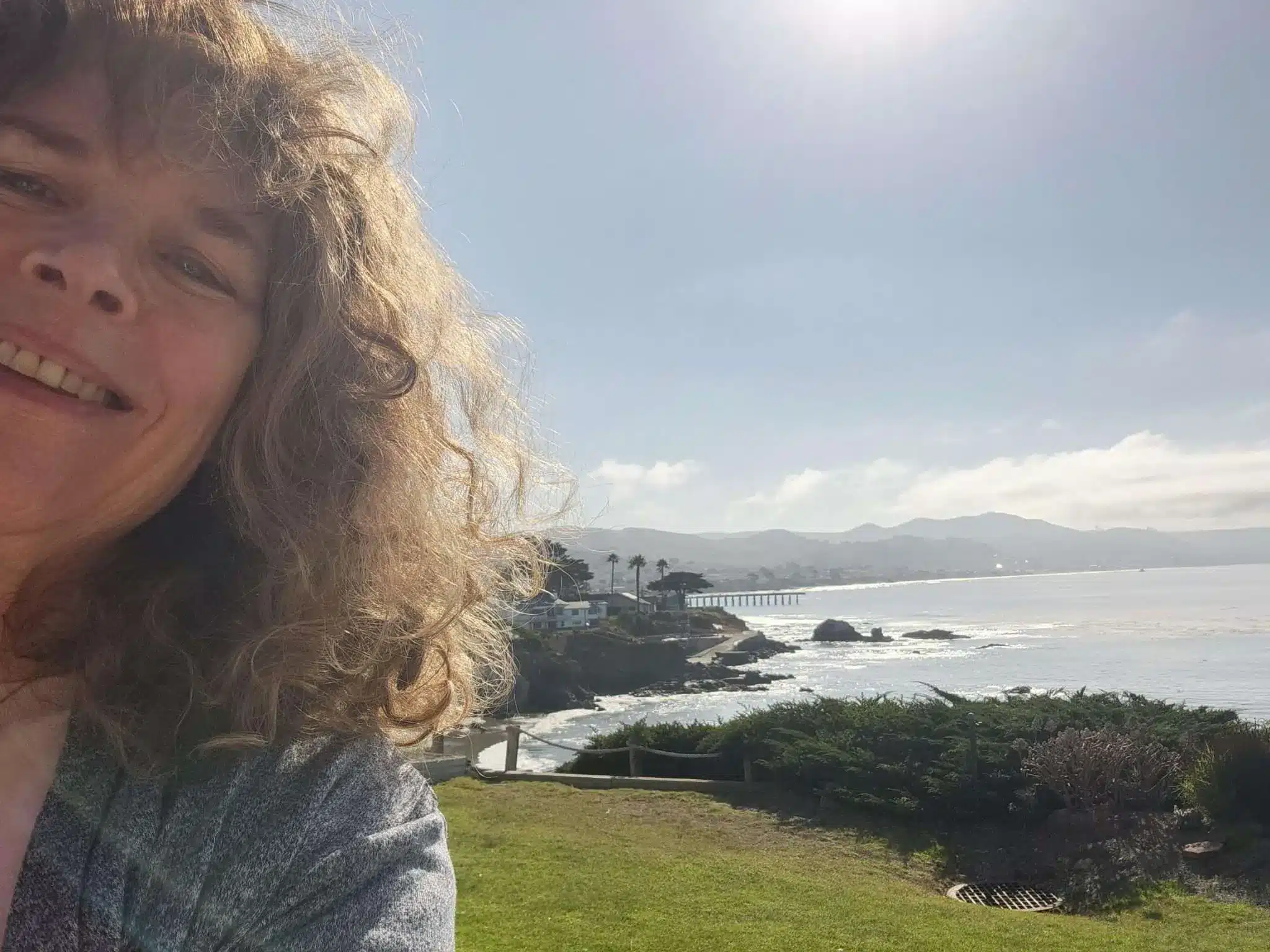
Volunteer Judith Bishop had retired from more than forty years of delivering babies in San Francisco – many EOLCCA volunteers are retired doctors, nurses, or other medical professionals – but felt retirement left a vacuum. EOLCCA offered a natural fit to fill that vacuum. “I’d always thought,” Bishop says, “that death was the other side of birth, the other side of the coin.”
About those phone conversations? Bishop says she is surprised by “the level of intimacy you can develop in a 20-minute conversation with someone who started out as a complete stranger.
You can hear in their voice the relief, and the drifting away of tension. At the end of the day, I can’t decide who gets more out of my work, whether it’s the clients or me.”
In one instance, Bishop’s work led to recruitment of a fellow phone volunteer. Janet Hollingshead had known little of EOLCCA when a family friend sought to use medical aid in dying and requested support on their planned day of death. Bishop was one of the volunteers “who made the experience exactly what my old friend wanted.” Soon, Hollingshead signed up for the volunteer training herself. (Our next volunteer training will be in 2025. See here for more information.)
Your Generous Heart
“I became a phone volunteer,” Hollingshead says, “partly because this had helped my friend get what she wanted. I wanted to help others get what they wanted.” But now, after nearly three years in this role and like other phone volunteers, she has reaped unanticipated rewards.
“Often there are callers I feel connected with,” she says. “There was one caller with whom I just clicked. I became her volunteer and was able to sit with her as she died. Later, her nephew gave me a note she had left, thanking me for ‘your generous heart.’ I have it framed over my desk.”
Without Judgment
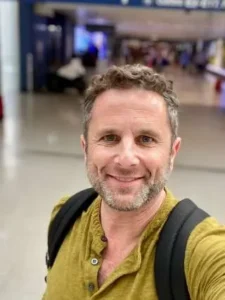
New to the role, phone volunteer Hank Balson joined forces with EOLCCA after moving to Southern California from Washington, where he’d worked with End of Life Choices WA.
“Because there are fewer people in California choosing medical aid in dying,” Balson says, “I was not as active and engaged here at first. Being a phone volunteer gives me more of a chance to work with individuals and families.
“I’m more of an introvert,” he says. “But once I’m on that phone conversation, I’m completely comfortable. I’m able to be a resource and a source of support. We are able to be available, without judgment.”
You Can Detect the Urgency
Phone volunteer Joyce Mayne, who also serves on the EOLCCA board, balances her volunteer work with a fulltime job in telehealth therapy and as a hospice social worker. It’s possible since the phone volunteer program has flexible hours. A volunteer shift is typically from 9AM to 5 PM, Mayne says, but it can vary. She does a hand-off to the next phone volunteer with notes on any loose ends.

“We sometimes have no messages at all,” Mayne notes; “but we usually have four or five. We check the voicemail throughout the day and try to call back within an hour; everyone agrees to call within a day. You can usually detect the urgency in a caller’s voice.”
And Even Occasional Humor…
Amid the calls of urgency, relief, anxiety and other emotions, there’s occasional humor. Bishop tells of a woman well into her nineties who had chosen medical aid in dying and picked her date. Discussing the particulars, the conversation was not easy.
“Well, I said,” Bishop recalls, “how about a morning time? She paused for a minute and then said, ‘Oh no, dear, I’m not a morning person!’ At which point we both burst out laughing.”
Phone volunteers encounter it all. And it’s all a labor of love. If you or your loved ones need advice or support, please call us at 760.636.8009.
A lifelong newspaper and magazine writer, EOLCCA Board Member Fran Moreland Johns has published fiction, nonfiction, and several books. Her focus on end-of-life issues includes many volunteer years, numerous articles and one book, Dying Unafraid. She holds a BA in Art from Randolph-Macon Woman’s College, and currently blogs at Medium.com and franjohns.net. Her short story collection, Marshallville Stories, was released in April 2022.
EOLCCA supports a strong team of experienced volunteers throughout the state, ready to provide information and support regarding all end-of-life planning and choices, including aid in dying through the California End of Life Option Act. You can find comprehensive information on our user-friendly website. EOLCCA is a 501(c)(3) nonprofit organization, and we rely on donations from individuals and foundations to enable us to offer these services at no charge to our clients. To support our work, find volunteer opportunities, or request an educational presentation for your group, please visit ways to help. Thank you!