
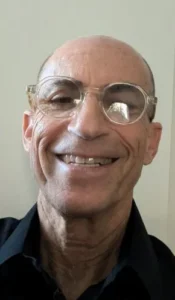
By Stanton Segal
Talking to your physician can be difficult and intimidating. Talking to your physician about your end-of-life wishes can be even more so. I know! I spent my career on the other side of the table as a practicing physician.
In this position, I witnessed firsthand the heartache and hardship that occurred for both patients and their families when decisions concerning end-of-life care weren’t put into place beforehand. Sometimes, in the face of sudden catastrophic events or acute illness, this is not possible. But oftentimes, this is the result of avoidance of discussion of the reality of death, both by the patient and patient’s caretakers, including their primary physician. The lesson I have learned? It is never too early to have these conversations and to plan accordingly.
Be Your Own Advocate
This has been underscored in my new role as a volunteer with End of Life Choices California (EOLCCA), where I answer phone calls from people seeking information concerning end-of-life issues, including MAiD. Some are looking for physicians who are willing to prescribe the MAiD medication, however they have not yet spoken to their primary care, palliative care, hospice care, or main specialty physician (i.e. oncologist) concerning MAiD and whether they are willing to participate in MAiD.
As a retired physician, and now a patient, it has become increasingly clear that we need to advocate for ourselves in addressing our ongoing care, including end-of-life issues.
As much as possible, as our medical needs change through the years, it is important for us to discuss with our medical providers (and family members) end-of-life issues such as Advance Directives, Power of Attorney for Health, POLST (Physician Orders for Life Sustaining Treatment), and ultimately MAiD, should we receive a diagnosis consistent with less than 6 months to live.
My Experience
I recently discussed the California End of Life Option Act (ELOA) with my primary care provider and the policy of her organization (Kaiser) concerning MAiD. Even I was a little nervous! But in the end, my physician was grateful for the discussion. Many physicians in California are unaware of the ELOA and the MAiD option for California residents. Our experience has been that Kaiser physicians are especially receptive to the idea because of a system-wide policy that sees this as a continuum of the care they provide.
For the people I talk to on the phone, I encourage them or those supporting them to discuss their interest in using MAiD with the physicians currently involved in their care. As needed, I help them find their voice to advocate for their end-of-life wishes, and also give them additional resources, like referrals to hospices, doctors who do prescribe MAiD, and I direct them to the content on our website. When they speak to their providers, they often make them aware that MAiD is an option in California and hopefully open them up to the idea that this is an additional option in the continuum of care they provide their patients.
Helpful Tips
If I was asked my Top Three tips for speaking with your physician about your end-of-life options, I would suggest:

- Notifying your physician at the time of making your appointment that you wish to discuss your end-of-life preferences.
- Bringing along someone who is aware of your end-of-life choices as support and observe the conversation.
- Seeing your primary physician a minimum of twice per year to evaluate your current health status and make them aware of any changes or lack of changes regarding end-of life care.
Lastly, if you or someone you know needs some backup support, that’s what I and the dozens of skilled, empathetic and passionate volunteers with EOLCCA are here to provide. We would be happy to strategize with you. Just give us a call at 760-636-8009.
Stanton Segal is a retired physician. He practiced Pulmonary and Critical Care Medicine in a three hospital health system in Philadelphia, and eventually became the Chief Medical Officer. During that time, he dealt with death and dying on a fairly regular basis, with both patients and their families, and this led him to EOLCCA. Stanton retired in 2016, at which time he moved to the California Desert with his wife, began doing some volunteer work at the Betty Ford Center in Rancho Mirage, CA, and became the Medical Director of that facility from 2017-2019. He fully retired in 2019. Along with his work at EOLCCA, he is very active in helping people who have substance use disorders.
EOLCCA supports a strong team of experienced volunteers throughout the state, ready to provide information and support regarding all end-of-life planning and choices, including aid in dying through the California End of Life Option Act. You can find comprehensive information on our user-friendly website. EOLCCA is a 501(c)(3) nonprofit organization, and we rely on donations from individuals and foundations to enable us to offer these services at no charge to our clients. To support our work, find volunteer opportunities, or request an educational presentation for your group, please visit ways to help. Thank you!
2 Responses
Exellent review and summary.